Timid invasion of the Emerald Isle
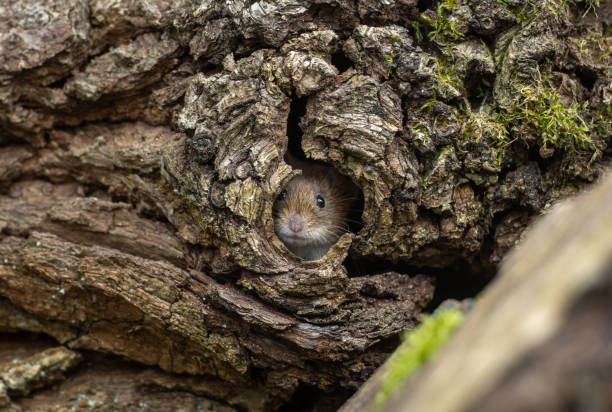
Pioneer animals leading a range expansion in non-native habitats really move into uncharted territory. They have neither individual nor evolutionary experience to rely on, when facing the challenges of finding food, shelter, mates – while keeping out of sight of novel predators, too. So literature suggest that pioneers should display phenotypes that are particularly suited to these tasks, and quite different from conspecifics that live in already established populations.
We investigated how spatial navigation, exploration, and personality differ among pioneer and established bank voles in Ireland – a rare, possibly unique occasion where a rodent invasion is still in progress. Rodents are among the most cosmopolitan mammals, and have spread in most part of the world, often travelling alongside humans. But these invasions have been completed so long ago in most cases.
We found that non-native bank voles at the edge of their ongoing expansion are more thorough and careful in gathering information about a novel experimental arena, and are more risk-averse than conspecifics living in established populations.
Our initial surprise at this timid invasion was short lived. After all, if in an established population the main drivers of success may relate to within-species competition and timely acquisition of resources, pioneers at the edge mostly have to rely on their own information acquisition and this had better be accurate. Voles are prey to several species, so of course priority to settle in a new environment is to survive, and therefore be careful and accurate in the way they navigate.
Next steps? We want to know more about learning and innovation of the timid pioneers.
Collaborators: J.A. Eccard (Uni Potsdam), C. Holland (Trinity College Dublin), P. Stuart (Technological University Tralee)
Publications: Mazza & Eccard 2023 – Eccard et al. 2023
Bandits in the city
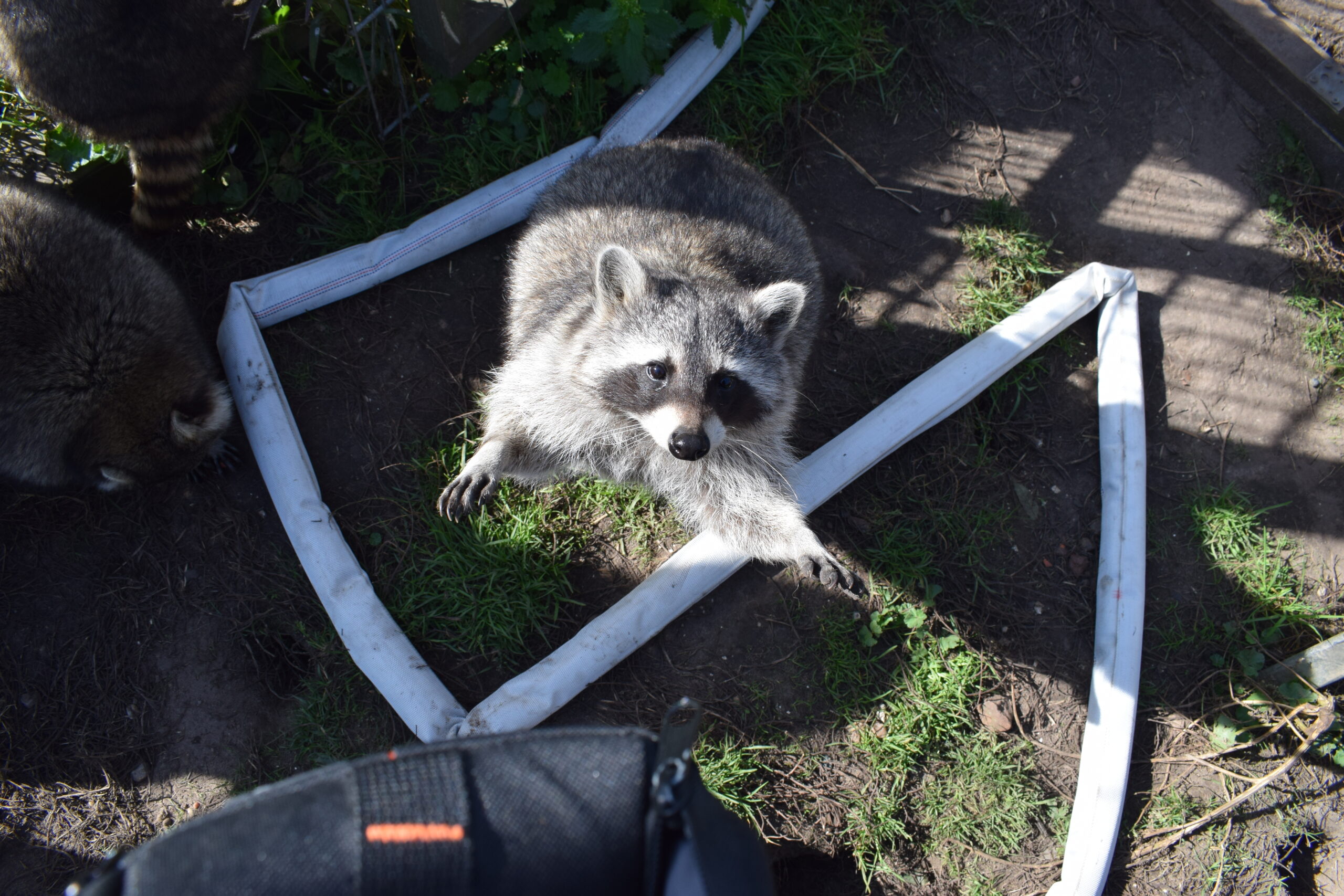
To understand drivers of successful expansion of non-native species, I am developing behavioural tests to assess among-individual variation in raccoons’ exploration and risk-taking. A pilot study also revealed some interesting insights into how these smart bandits may benefit from problem-solving skills while colonising urban habitats. Next steps will let us go deeper into how individuals of this generalist species differ in their response to multiple aspects of ecological novelty.
Collaborators: S. Benson-Amram (British Columbia), L. Lewejohann (BfR), M. Bolek (FU Berlin), D. Dudek (Uni South Bohemia), J. Jeschke (FU Berlin), L. Stanton (Uni Berkeley), M. Roeleke (IZW), C. Scholz (IZW)
Range shift of a native pioneer
Changes in global climate trends have caused many species to shift or expand their distributions to include altitudes or latitudes that provide more suitable conditions. Such range expansions challenge animals to face a series of sequential, selective filters. The degree to which animals can efficiently gather and use environmental information may then turn into a key component of survival and overall successful colonisation of habitats. Studying ongoing processes of range expansion can give us insights into both the drivers of range expansions, as well as the role of behaviour in dealing with novel environments under current global change.
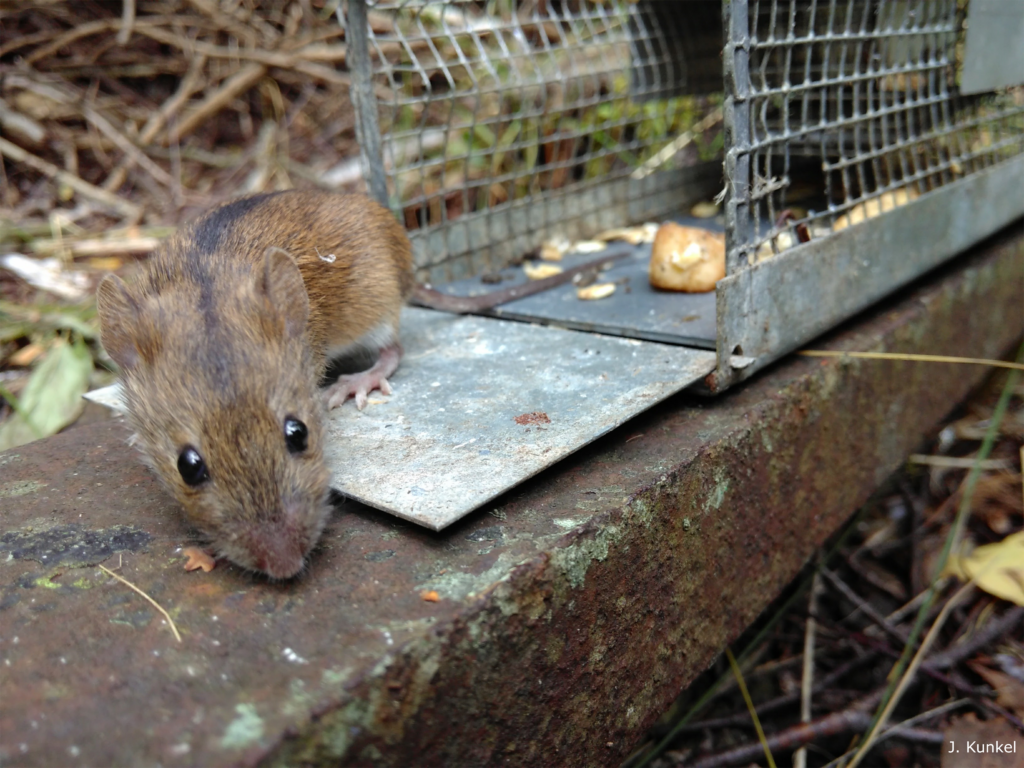
However, most of currently monitored range expansions concern non-native species. Here, we assessed the role of animal personality during the range expansion of striped field mice (Apodemus agrarius) through native central Europe.
And here too the pioneers were slow and thorough explorers.
Collaborators: R. Jánošíková , F. Tulis , I. Baláž (Constantine the Philosopher Uni Nitra), Jana A Eccard (Uni Potsdam)
Publications: Jánošíková et al. 2025
Biological invasions & climate change
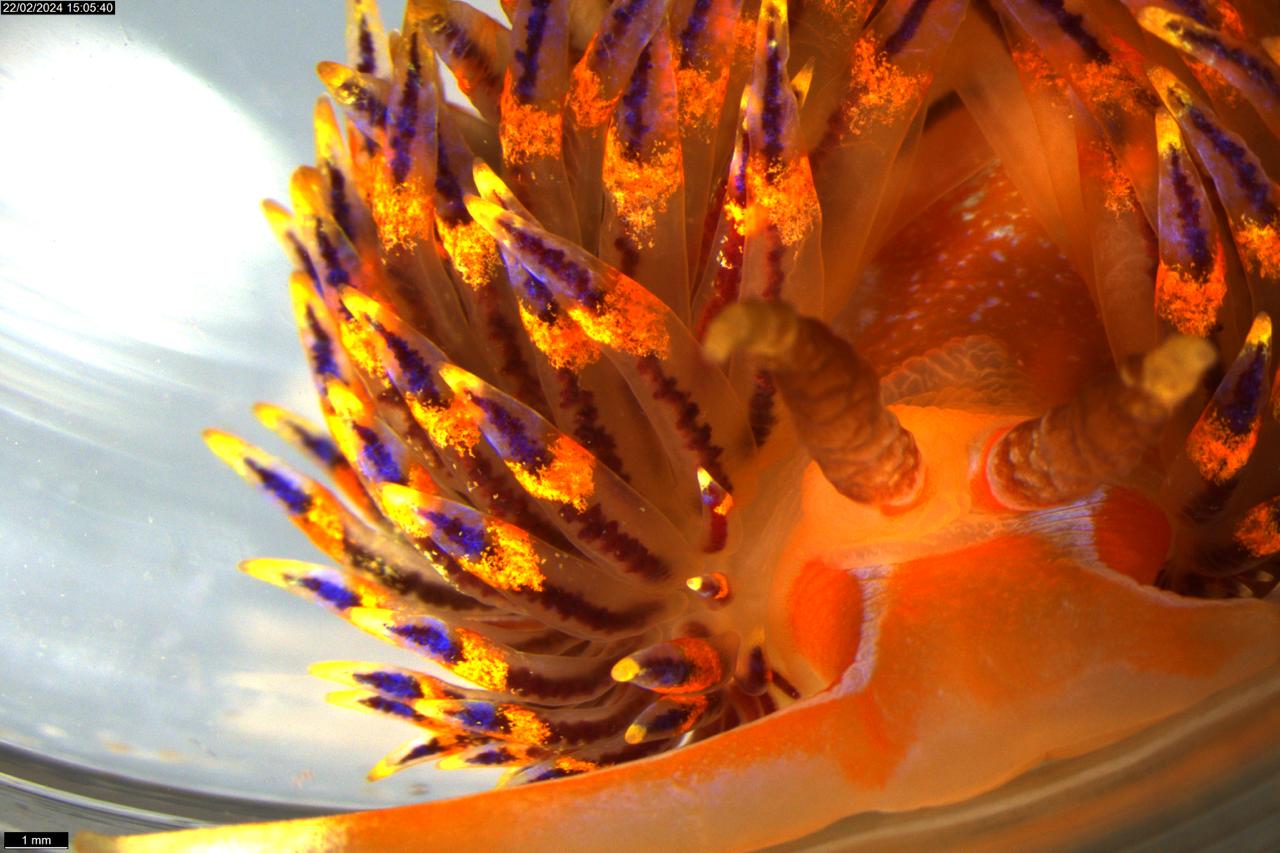
Native wildlife has to face all kinds of challenges simultaneously, including the spread of invasive species, human encroaching and destruction of habitats, and climate change. How do they do it? And are invasive species perhaps better prepared to face climatic alterations, since they are already successfully adjusting to novel environments? In this project we address these questions by exposing native and non-native nudibranchs to a simulated heatwave in the lab.
Non-native individuals appear relatively unfazed by the increasing heat, and they keep their exploration activity similar to the levels recorded at lower water temperatures. Native individuals stop their exploration altogether.
And now the new question is: is there a better strategy? Or are both species doing their best, considering potentially different priorities of colonising the new environment vs surviving in the native one?
Collaborators: S. Ferretti, A. Macali, C. Carere (Uni Tuscia)
Publications: Ferretti et al. 2025